
Figure Drawing Made Simple, Patient, and Yours
Figure drawing can feel intimidating when every pose looks like a puzzle. These beginner guides break the human body into calm, clear steps so you can draw people with real confidence.
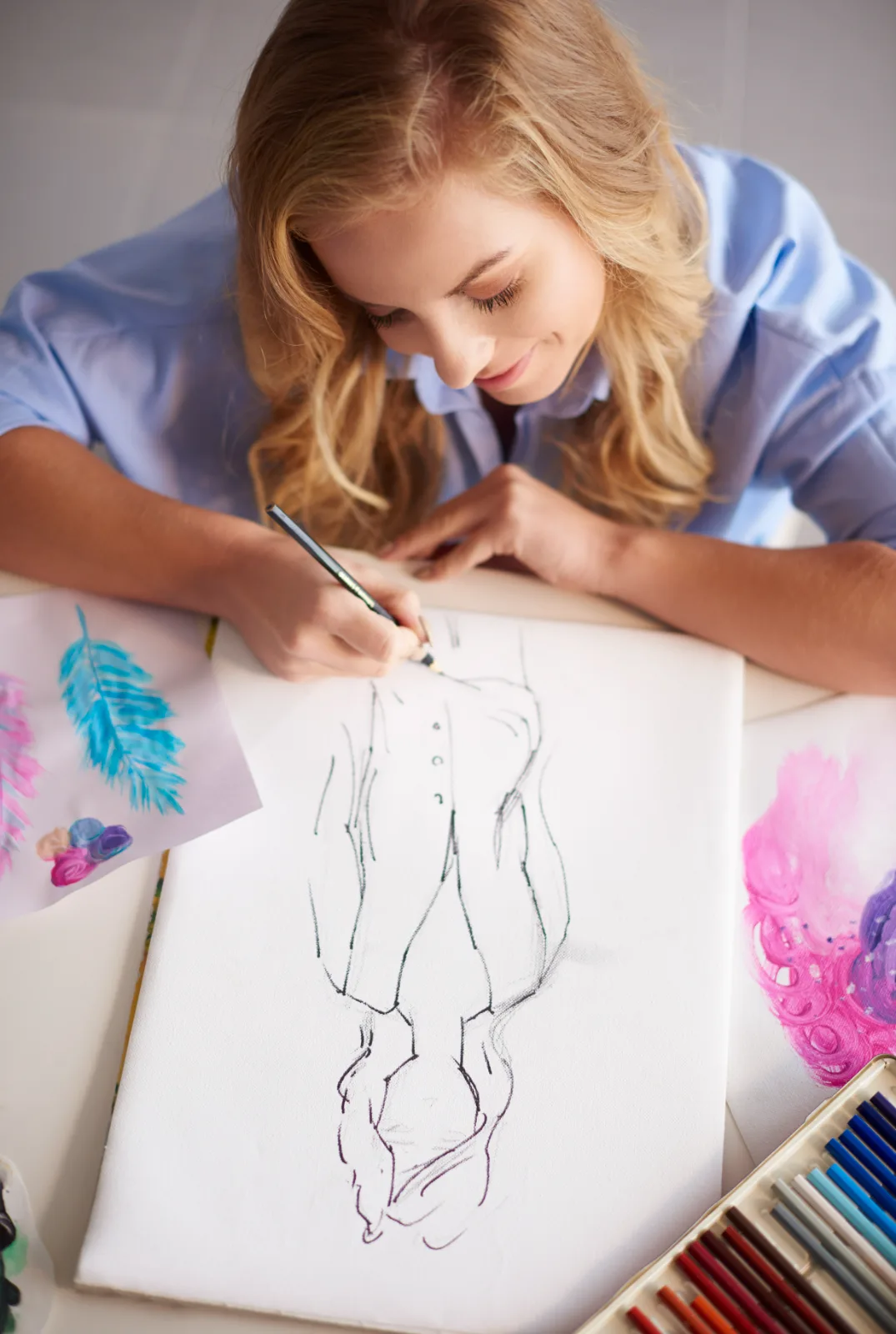
It Is Okay If Your First Figures Look Wobbly
Every artist you admire once drew stiff arms and heads that floated above the neck. That stage is not a sign you lack talent.
It is simply where learning begins.
- You might feel stuck copying photos without understanding what you see
- You might rush into details before the pose feels alive
- You might compare your sketchbook to polished work you see online
Each of these struggles has a simple fix, and you will find every one of them here.
Figure Drawing in Three Gentle Steps
You do not need to master anatomy before you begin.
1
Step 1: Capture the Gesture
Spend 30 to 60 seconds finding the line of action, the single curve that shows where the pose is going. This keeps your figures from looking stiff before you add a single detail.
2
Step 2: Build Simple Proportions
Use the head as your unit of measure. Most adult figures are about seven and a half heads tall, a guideline that helps you place shoulders, hips, and knees with less guessing.
3
Step 3: Add Form and Anatomy
Wrap your gesture in simple shapes like cylinders, boxes, and spheres. Once the body feels solid, you can layer in the muscles and landmarks that make it believable.
Figure Drawing Skills You Will Build
These guides grow with you, from your very first sketch to confident, finished poses.
Quick gesture sketches that capture energy in under a minute
Proportion tricks for adults, children, and stylized characters
Foreshortening, so arms and legs can reach toward the viewer
Hands and feet, broken into shapes that stop feeling scary
Light and shadow that give your figures weight
Practice routines you can keep, even on busy days

Why Figure Drawing Shapes Every Other Art Skill
Figure drawing trains your eye to see rhythm, balance, and weight. Those same instincts carry into character design, comics, animation, and portraits.
When you understand how a real body moves, you can exaggerate it with intention. Your characters start to feel like they could step right off the page.
Even 15 minutes a day adds up. Short, regular sessions in your sketchbook build muscle memory faster than one long weekend marathon.
Questions Beginners Often Ask
Here are honest answers to the worries that come up most.
Do I Need to Be Good at Drawing Already?
No. Drawing people is a skill, not a gift you are born with, and curiosity matters more than starting talent.
What Supplies Should I Start With?
A pencil, some cheap printer paper, and a timer are enough. Cheap paper helps you feel free to make messy pages.
Where Can I Find Poses to Practice?
Free online reference sites offer timed pose sessions with real models. You can also sketch people in cafes, parks, or on the train.
How Long Until I See Progress?
Most people notice looser, more confident lines within a few weeks of steady practice. Keep your early pages so you can see how far you have come.
Should I Learn Anatomy First?
Start with gesture and proportion. Anatomy makes far more sense once you already feel how a pose moves.
Your Next Figure Is Waiting on the Page
Grab a pencil, set a two-minute timer, and draw the first pose you see. Figure drawing grows one honest sketch at a time, and today is a wonderful day to begin.